Kimi Antonelli leads F1 title race as Middle East races proceed
Kimi Antonelli leads the 2026 Formula 1 championship by 111 points over Max Verstappen as geopolitical tensions ease. The Qatar and Abu Dhabi Grands Prix are expected to proceed, with Las Vegas serving as a backup if security concerns arise.

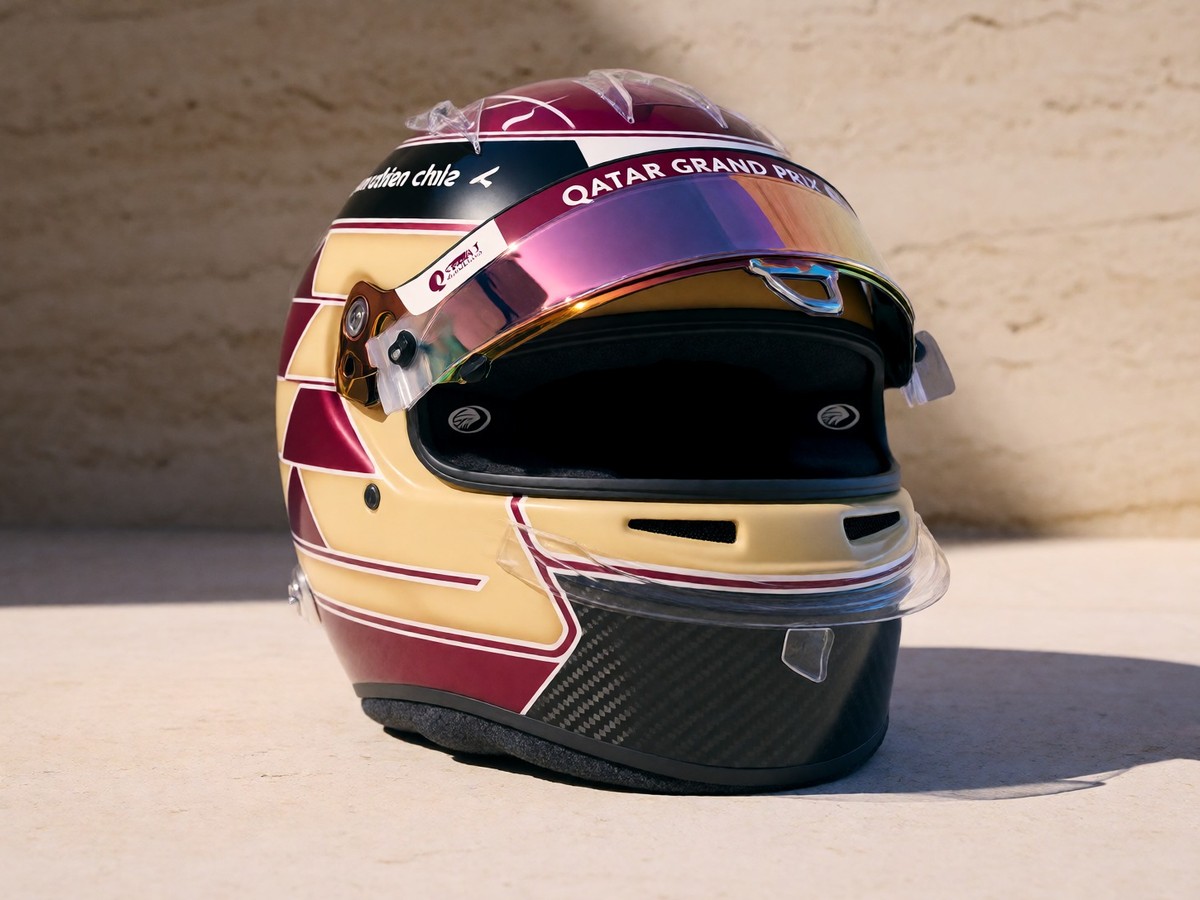
The 2026 Formula 1 season enters its final stretch with Kimi Antonelli leading the drivers’ championship by 111 points over Max Verstappen, yet geopolitical instability threatens to disrupt the closing rounds in the Middle East. President Donald Trump recently stated that the United States is "fully locked and loaded" but does not expect to use its equipment, a remark that signals a potential de-escalation of tensions. This development provides relief for organizers preparing for the Qatar Grand Prix on 29 November and the Abu Dhabi Grand Prix on 6 December, both of which are expected to proceed as scheduled. The stability in the region allows the sport to focus on the title battle rather than contingency planning, although the situation remains fluid and closely monitored by officials.
Contingency plans and regional uncertainty
Formula 1 has prepared fallback options should the Gulf races become impossible to host. If security concerns prevent the final two events from taking place, the Las Vegas Grand Prix would serve as the season’s concluding race weekend. Meanwhile, the series is set to halt preparations at the Imola circuit, where owners will be informed that hosting Formula 1 can be stopped. This decision reflects the prioritization of the Middle East double-header, though it leaves the Italian venue without a confirmed event for the remainder of the year. The governing body is ready to deliver both season-ending events, relying on diplomatic efforts to maintain safety.
Qatar’s Prime Minister Sheikh Mohammed bin Abdulrahman Al-Thani expressed gratitude for positive discussions on reaching a deal and bringing peace to the region after speaking with Trump and Vice President JD Vance. However, senior UAE official Anwar Gargash warned that the situation may not resolve quickly, advising preparation for a long period of uncertainty where stable regional order cannot be taken for granted. This caution suggests that next season’s calendar could also face disruptions, particularly regarding the planned opening rounds in Bahrain and Saudi Arabia in March. Those two races were cancelled earlier this year due to similar conflicts, raising questions about their return. The risk extends beyond the current season, potentially affecting future scheduling decisions for the entire Gulf region.
Championship implications and operational details
With Antonelli holding a significant lead, the outcome of the remaining races may not impact the driver’s title, but team strategies remain critical. Mercedes leads the constructors’ standings, while Ferrari and Red Bull Racing compete for second place. The championship table shows Antonelli with 390 points, Verstappen with 279, and George Russell with 262. These figures underscore the importance of consistent performance in the final three races. Teams must balance risk management with competitive aggression, especially given the unpredictable nature of the political environment.
Operational challenges persist despite the expectation of smooth sailing. Former Ferrari engineer Luigi Mazzola criticized Lewis Hamilton for staying out on intermediate tires during rain at Interlagos, an incident that resulted in a spin and a ninth-place finish. Hamilton later explained he was told the drizzle would remain steady, but conditions changed rapidly. This technical debate highlights the difficulty of managing tire strategy in variable weather, a factor that could influence results in the coming weeks. Additionally, Lando Norris faced criticism from David Coulthard for striking champagne bottles on the podium, prompting calls for the FIA to review safety protocols. These incidents remind us that even in stable conditions, human error and procedural choices can alter outcomes. As the season moves toward the Middle East, drivers and engineers must navigate both mechanical and external uncertainties with precision.