FIA plans to reduce Formula 1 downforce by 20 to 50 points
The FIA aims to mandate a significant reduction in Formula 1 downforce for the 2027 season to improve racing. Meanwhile, Williams boss James Vowles has proposed the ADUO mechanism to help teams outside the top four manage cost cap constraints.

Downforce battles ahead
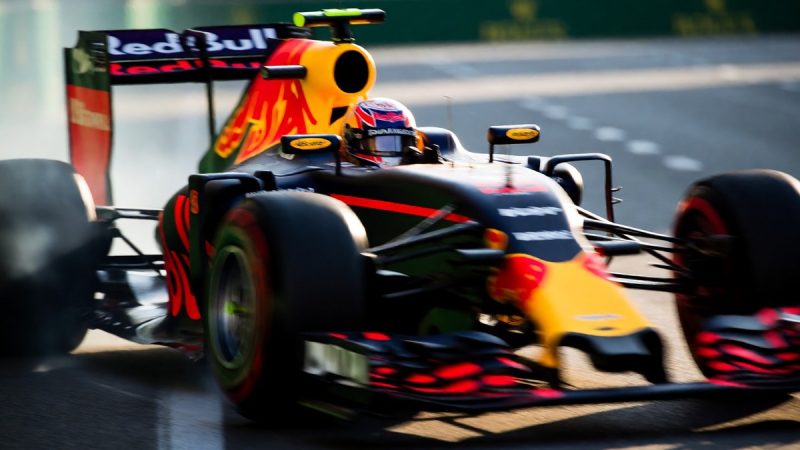
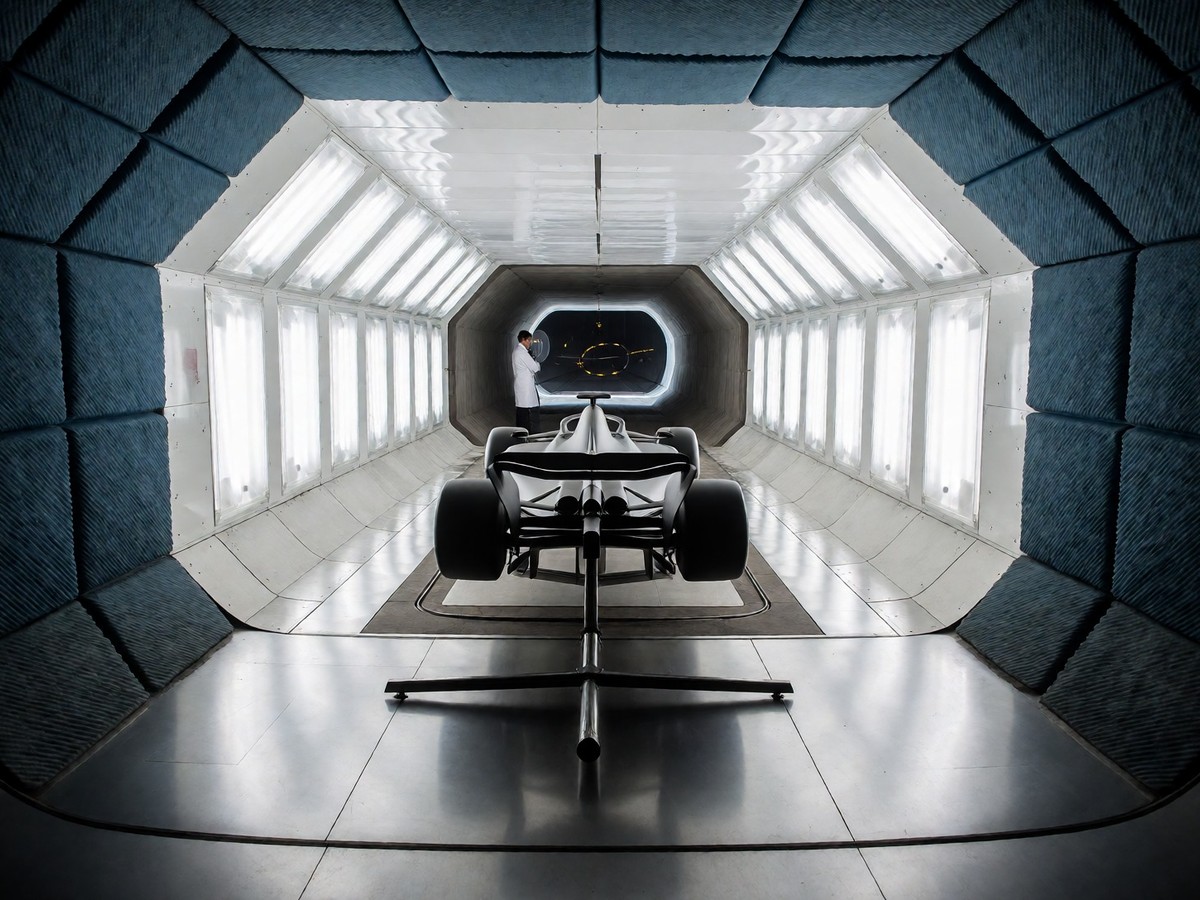
The FIA aims to reduce Formula 1 downforce by 20 to 50 points for the 2027 season. This plan involves banning several rear aerodynamic elements to improve hybrid energy management and reduce the turbulent dirty air that prevents cars from following each other closely. As teams prepare for the second year under the new formula in 2027, the FIA pushes to mandate another drop in downforce. Mercedes technical director James Allison warned on the NU Silver Arrows Radio Show podcast that writing a rule to slow down a Formula 1 car rarely stops the grid’s top engineers from finding a way around it. The relationship between the FIA and Formula 1 constructors remains a perpetual game of cat and mouse, where the governing body alters the rulebook to limit cornering speeds and teams immediately spend millions in the wind tunnel to recover the lost downforce.
Allison confirmed the scope of the proposed aerodynamic restrictions and threw down the gauntlet for the upcoming development war. "All I know is that the cars are going to be losing a bit of downforce from the new regs, more than a bit," Allison explained. He noted that the FIA wants to pull the downforce back to the levels seen at the start of 2026. "It’ll be interesting to see whether the teams lie down and take that or whether we recover it all or not," Allison added.
The ADUO proposal
James Vowles, the Williams team boss, tabled a proposal called "ADUO for teams" to help Formula 1 teams escape what he describes as a cost cap trap. This idea involves a sliding scale catch-up system within the cost cap that allows teams finishing outside the top four to spend more. This mechanism mimics the Additional Development and Upgrade Opportunities that exist for engine manufacturers, who receive extra spending allowances, dyno hours and homologation opportunities if their power unit is adrift of the benchmark. Vowles added the proposal to the agenda for the next F1 Commission meeting.
| Proposal Detail | Specification |
|---|---|
| Mechanism Name | ADUO for teams |
| Target Beneficiaries | Teams outside the top four |
| Required Supermajority | FIA, FOM, and six of 11 teams |
| Minimum Support for 2028 | Four teams |
Currently, only Cadillac, Alpine, Aston Martin and Audi support the idea, meaning the proposal lacks the supermajority needed for immediate implementation. Haas opposes the idea because it is not near the current cost cap limit, and Racing Bulls boss Alan Permane also does not back the concept. However, support from four teams in total would be enough to get the plan into play for 2028, which would influence the next regulation era due to start in 2030 or 2031. Vowles said a compromise solution remains possible and that he wants to ensure the sport gets the rules right by the next regulation change. He noted that implementation might not be swift. "I don’t think we have an accurate enough direction that we need to take it in, that is right for the sport, which is still being discussed behind the scenes," Vowles said.
Salary restrictions and staff retention
The current cost cap also impacts how teams retain engineers, as many talented personnel leave for higher salaries in the technology sector. Teams operating under the cost cap must keep a lid on salaries, which leaves them fighting a losing battle to keep staff who receive big-money offers from other industries. This issue grew in importance because of the global cost-of-living crisis, and F1’s cost cap increase is tightly linked to inflation. Only the three highest-paid personnel within an organisation are exempt from the cost cap. While there were past discussions about expanding this exemption to include up to 300 staff, many believe this would make the cost cap ineffective.
Mercedes boss Toto Wolff stated at the Brazilian Grand Prix that his squad proposed a mitigating mechanism that the FIA shot down. Wolff told Sky F1 that he wanted an uplift to pay junior personnel better so their salaries were not suppressed in the first five, six, or seven years. "I would have loved to have a little bit of an uplift," Wolff said. He explained that the team pitched an allowance for salaries to rise slightly to combat the suppression caused by the cost cap. This proposal did not score many brownie points with the governing body.