FIA 2026 mandatory wheel arch wake testing protocol guide
The 2026 Formula 1 regulations introduce in-washing wheel wake control boards and active aerodynamics to reduce turbulent air. These changes aim to decrease drag by 55% and downforce by 30% to allow cars to follow more closely during racing.

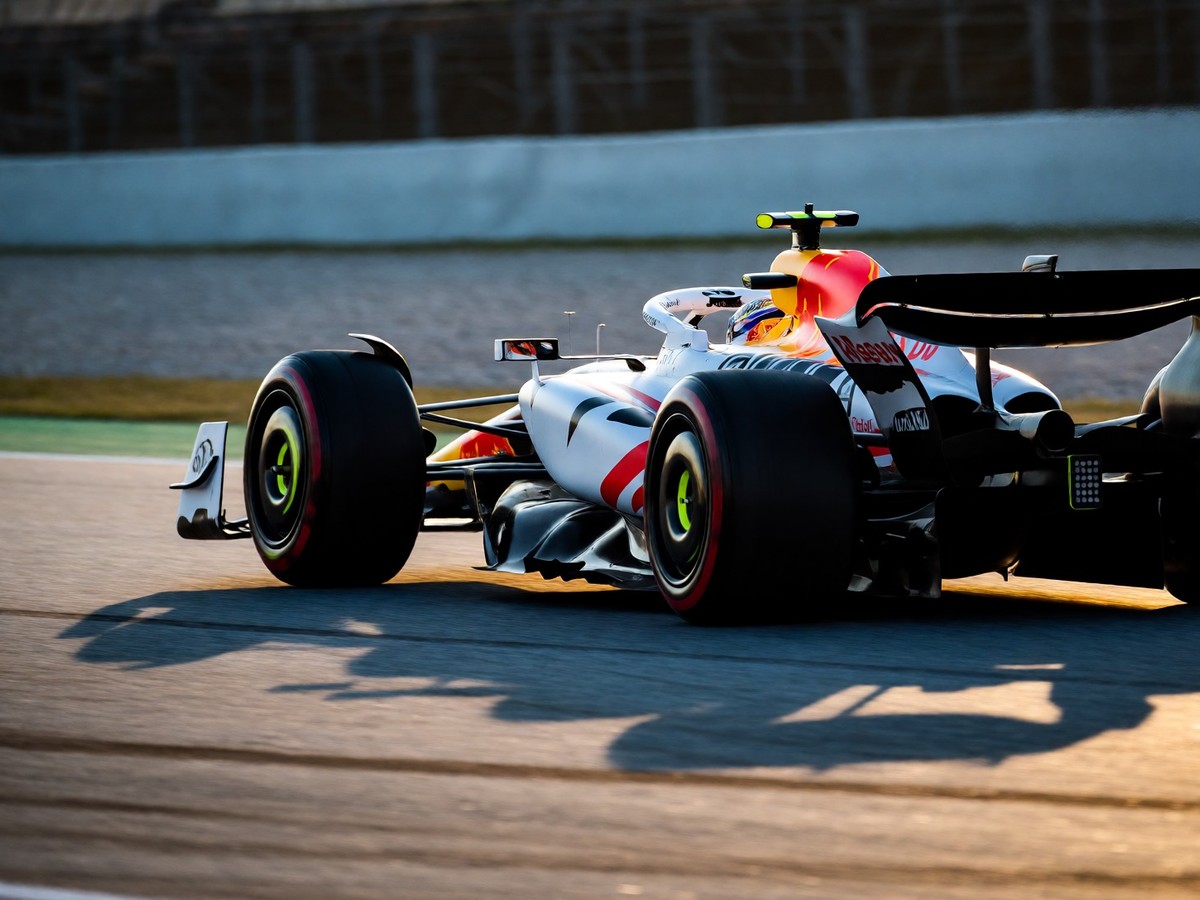
The 2026 Formula 1 regulations mandate a reduction in downforce by 30% and a decrease in drag by 55%. These figures change the aerodynamic profile of the cars compared to the ground effect era. Previous designs focused on floor tunneling to guide airflow underneath the vehicle. The 2026 cars feature much flatter floors and increased ride heights. These changes aim to reduce the turbulent wake behind the car. I see this as a fundamental shift in how engineers manage the air around the tires.
Controlling the wheel wake
The FIA proscribed wheel bodywork to help cars follow one another more closely. In-washing wheel wake control boards will sit at the front of the side pods to assist with the control of the wheel wake. This design removes the front wheel arches or brows that were a feature of the 2022 cars. You already know that dirty air ruins racing, so these side pod boards are the primary mechanism to fix the issue. The new boards aim to push the wake inward. This prevents the turbulent air from spreading out and hitting the following car.
The reduction in car size also impacts how these wakes behave. The 2026 cars are 20 cm shorter and 10 cm narrower than previous models. The wheelbase measures 3.4 m, and the overall width is 1.9 m. The width of the floor decreased by 15 cm. These smaller dimensions mean the aerodynamic surfaces have less area to manage the airflow. I find the combination of smaller cars and in-washing boards to be the most direct attempt to resolve the wake decay seen in recent years.
The flexible wing investigation
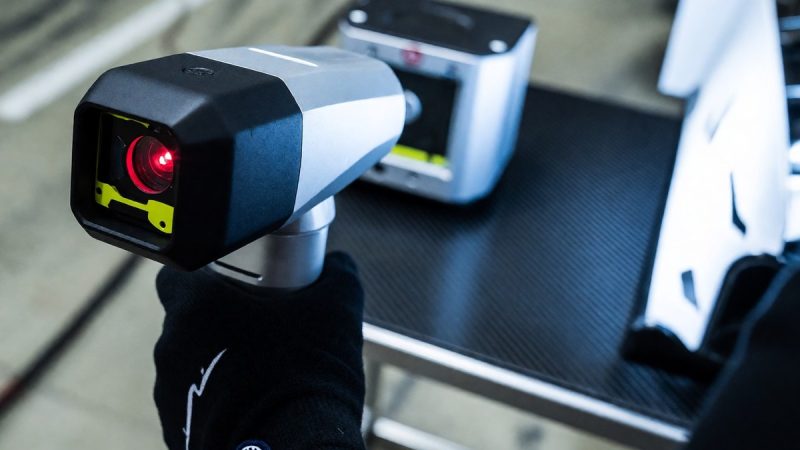
The FIA conducts strict testing on bodywork flexibility to ensure a level playing field. Following investigations into the McLaren MCL38 and the Mercedes W15, the governing body introduced more stringent static load tests. The permitted level of front wing flexibility dropped from 15mm of movement to 10mm. The FIA uses a camera installed on the nose to provide a sideways view of the wing. This camera captures deformation that the standard FOM forward-facing cameras miss because they cannot see the outboard parts of the wing.
The FIA’s decision to reduce the permitted level of front wing flexibility from 15mm to 10mm aims to ensure that bodywork deflection does not become a loophole for gaining an aerodynamic advantage on the straights. Engineers previously used aeroelasticity to find a balance between cornering downforce and straight-line speed. This tactic allowed wings to deform under load. I view the move to tighter 10mm limits as a necessary enforcement of the original design intent. The FIA intends to monitor these flexible components across several events to ensure compliance.
Aerodynamic physics and data
Aerodynamic optimization dictates 30% to 50% of total lap time. F1 cars generate downforce exceeding 3 times their vehicle weight. This pressure allows drivers to achieve lateral forces of 5-6G in corners. At high speeds, the relationship between downforce and drag becomes critical. Increasing the wing angle adds downforce but also increases drag. Teams use CFD and wind tunnel data to map the optimal range for these forces.
Modern teams process 1.1 million data points per second from approximately 300 sensors. These sensors include pressure taps on the wings and floor, accelerometers, and temperature probes. Engineers monitor the pressure distribution to prevent understeer or oversteer. If the front downforce exceeds the rear, the car understeers. If the rear downforce exceeds the front, the car oversteers. The 2026 regulations aim to make the car more agile by reducing the total downforce load.
Active aerodynamics and modes
The 2026 regulations replace the DRS system with active aerodynamics. Drivers switch between two distinct configurations to manage the car’s energy and speed. The first is X-mode, which uses the moveable front and rear wing elements to reduce drag on straights. The second is Z-mode, which keeps the wing flaps in a high downforce position for better cornering. This system allows the car to adapt to different sections of the track.
The active aero system helps conserve energy for the power unit. Reducing drag on the straights is essential because the 2026 cars rely more on electrical power. Unlike DRS, which only works within a one-second window of the car ahead, active aero can be used by any driver at predetermined points on the circuit. I find the complexity of these two modes to be a significant new variable for drivers. Will the in-washing wheel wake control boards actually stop the wake decay seen in previous years?
Power unit energy management
The 2026 power units feature a 50/50 split between the internal combustion engine and electrical power. The MGU-K output increases to 350kW, which is a nearly 300% increase from previous levels. The removal of the MGU-H simplifies the engine design. This change eliminates the component that converted heat into electrical energy. Because the MGU-H is gone, engineers must manage turbo lag and combustion efficiency differently.
Energy management is now a primary driver of race strategy. The maximum permitted recharge is 7 MJ, down from 8 MJ. This change aims to reduce the duration of superclipping. Peak superclip power rose from 250 kW to 350 kW. The MGU-K will deploy 350kW in acceleration zones, but deployment elsewhere is restricted to 250kW. I observe that the new energy rules make the cars more reliant on precise deployment. Some drivers complained in testing that overtake mode tends to drain the battery too much, making it impossible to defend a position afterward.
The 2026 testing schedule
The FIA expanded the pre-season testing to a nine-day program. This provides teams more time to understand the new chassis and power unit. The program consists of three separate events. The first is a private shakedown at the Circuit de Barcelona-Catalunya from January 26 to 30, 2026. This session allows engineers to fix reliability issues away from the public.
The second and third sessions take place at the Bahrain International Circuit. The first public test runs from February 11 to 13, 2026. The second public test runs from February 18 to 20, 2026. These sessions allow teams to run race simulations and qualifying runs. The expanded testing is a response to the massive technical overhaul of the cars.
| Specification | 2026 Value |
|---|---|
| Total Car Weight | 768 kg (1,693 lbs) |
| Driver Weight Allocation | 82 kg (180 lbs) |
| MGU-K Output | 350 kW |
| Superclip Power | 350 kW |
| Max Recharge | 7 MJ |
| Budget Cap | $215 million USD |
Manufacturing and sustainability
The 2026 regulations permit new materials for suspension uprights through additive manufacturing. Manufacturers can use titanium alloys such as Ti6Al4V, Ti6AL4V ELI, Ti 5553, and Ti 6242. They can also use aluminium alloys like AlSi10Mg and AlSi7MG. This shift allows for lighter and more agile car components.
Sustainability is a central pillar of the new rules. All cars use fuels made of Advanced Sustainable Components. These fuels come from non-food biomass, renewable feedstock, or municipal waste. The FIA uses the Sustainable Racing Fuel Assurance Scheme to verify the origin of these components. This program ensures that the fuel meets stringent greenhouse gas emissions thresholds.
The competitive landscape also changes with new manufacturers. Audi enters the sport with its own power unit. Honda returns to partner with Aston Martin. Red Bull Ford Powertrains is developing a unit for the Red Bull and Racing Bulls teams. Cadillac will enter the grid using Ferrari power units initially.
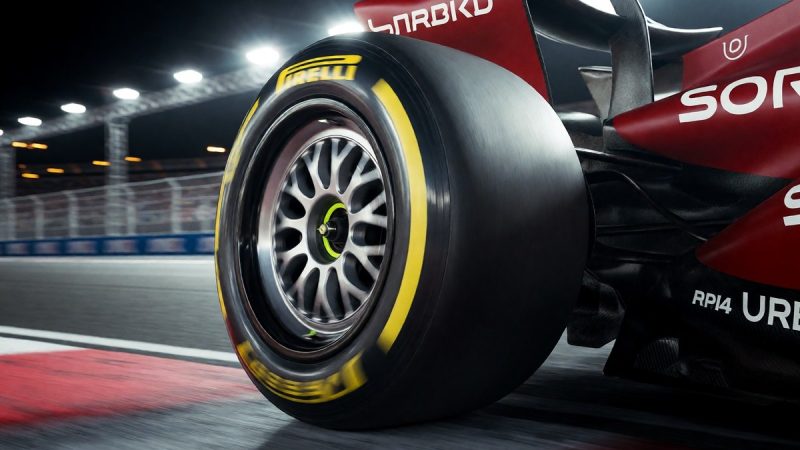
| Component | Material / Detail |
|---|---|
| Front Tire Width | 2.5 cm narrower |
| Rear Tire Width | 3.0 cm narrower |
| Tire Diameter | 18 inches |
| Fuel Type | Advanced Sustainable Components |
| Budget Cap | $215 million USD |
The driver landscape also sees changes. Max Verstappen will use the number 3 instead of 33. The 2026 points leaders include Kimi Antonelli with 302 points and George Russell with 236 points. I find the new entry of Cadillac and Audi to be a significant step for the sport’s growth. The 2026 regulations prioritize aerodynamic stability and energy efficiency over pure peak power.