Ferrari introduces major aerodynamic upgrades for SF-26 in Austin
Ferrari brings its fourth significant aerodynamic package of the 2026 season to the United States Grand Prix, focusing on floor and sidepod revisions. Engineers aim to increase downforce and widen the operating window of the SF-26 to address performance issues identified at Zandvoort.

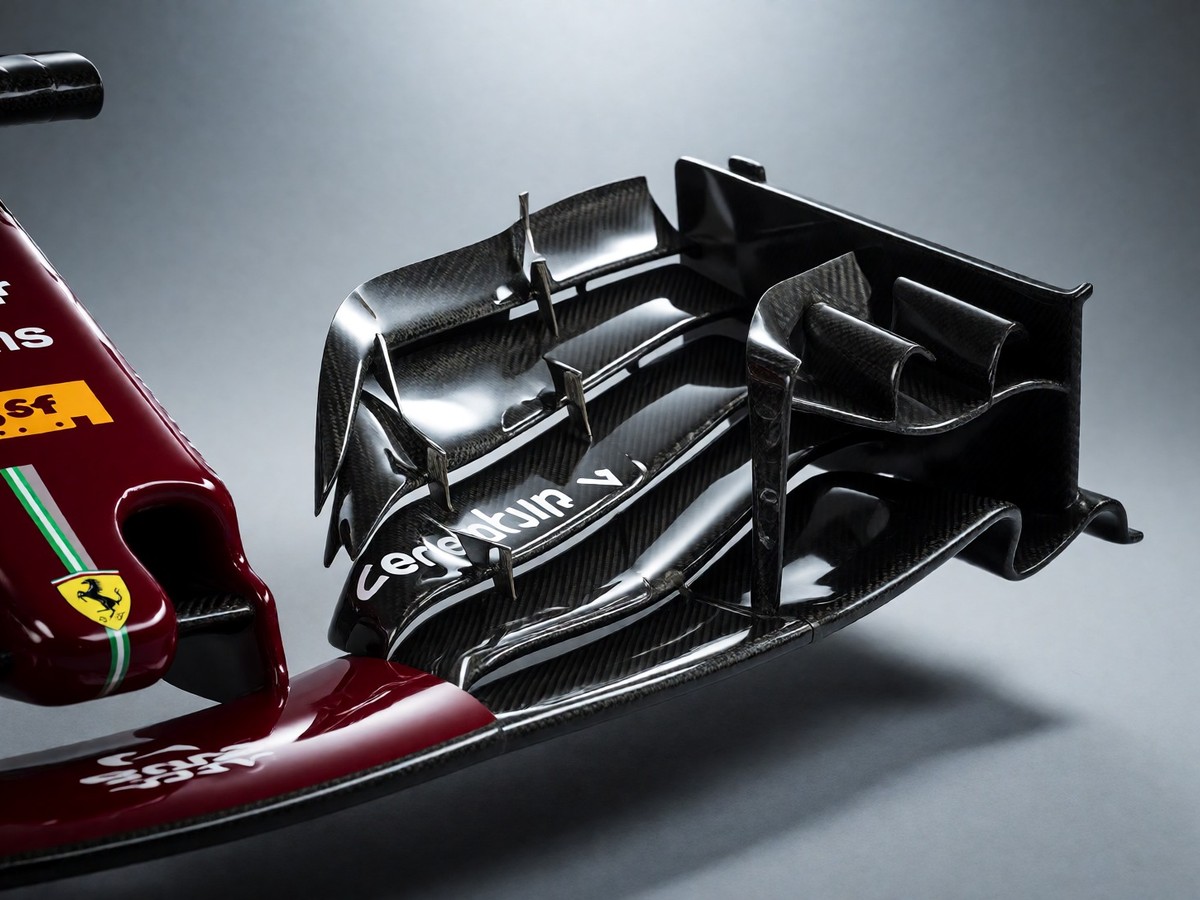
The Austin aerodynamic package
Ferrari introduces its fourth and most significant aerodynamic upgrade package of the 2026 season at the United States Grand Prix. I see the team focusing on the floor, sidepods, and upper bodywork to improve the SF-26. While McLaren and Mercedes changed their sidepod concepts recently and failed to immediately achieve what they saw in windtunnel simulations, Ferrari maintains its current architecture. The team studied the Red Bull design used on the RB22 and the Audi, where the structural stay between the floor and bodywork uses a 20mm fillet radius to create "waterslides" that guide airflow towards the rear of the car. I find Ferrari’s decision to avoid this massive sidepod transformation makes sense because it preserves resources for the floor. A substantial change to the sidepod philosophy would have required integration work with the rest of the aerodynamic platform, particularly the floor, without any certainty that the team would obtain a significant advantage in the remaining races. On the RB22, and on the Audi from Baku onwards, the structural stay connecting the floor to the bodywork exploits aerodynamic advantages. Ferrari carefully evaluated this concept but decided not to devote a significant proportion of its resources to such a substantial transformation of the SF-26’s sidepods. The team also modifies the cooling louvres to adapt hot-air extraction to the new sidepod geometries.
Floor revisions and development priorities
The Austin floor revision covers everything from the front section through to the diffuser. I think the SF-26 remains too heavily biased towards the front, so engineers expect the new floor to increase downforce and widen the operating window. The team’s decision to prioritize the floor follows the failure to identify significant opportunities for improvement at the Zandvoort Grand Prix, which prompted engineers to search for a more substantial gain specifically for the Austin race. I note the SF-26 still suffers from drag, a problem that the less-powerful Ferrari engine makes worse. Ferrari will also introduce larger cooling openings at the Mexican GP to handle altitude. Development of the SF-26 will be limited to circuit-specific adaptations after Austin. The team used windtunnel iterations to explore different design directions for 2027, when the new car will have different aerodynamic solutions. The future Ferrari will keep some elements of continuity with the current project, especially the chassis. I find the chassis to be one of the most convincing aspects of the 2026 car. Work on the 2027 power unit continues in parallel. Austin provides an opportunity to verify the correlation between the development tools and the car’s behaviour on track. Engineers continue to seek an increase in the performance generated by the underside of the car.