F1 drops Imola as backup venue for end-of-season races
Formula 1 confirmed that Imola will not serve as a backup for the final races in Qatar and Abu Dhabi, locking in the schedule despite regional conflict. The decision prioritizes financial stability and safety, with officials noting that travel conditions remain normal and teams support the plan.

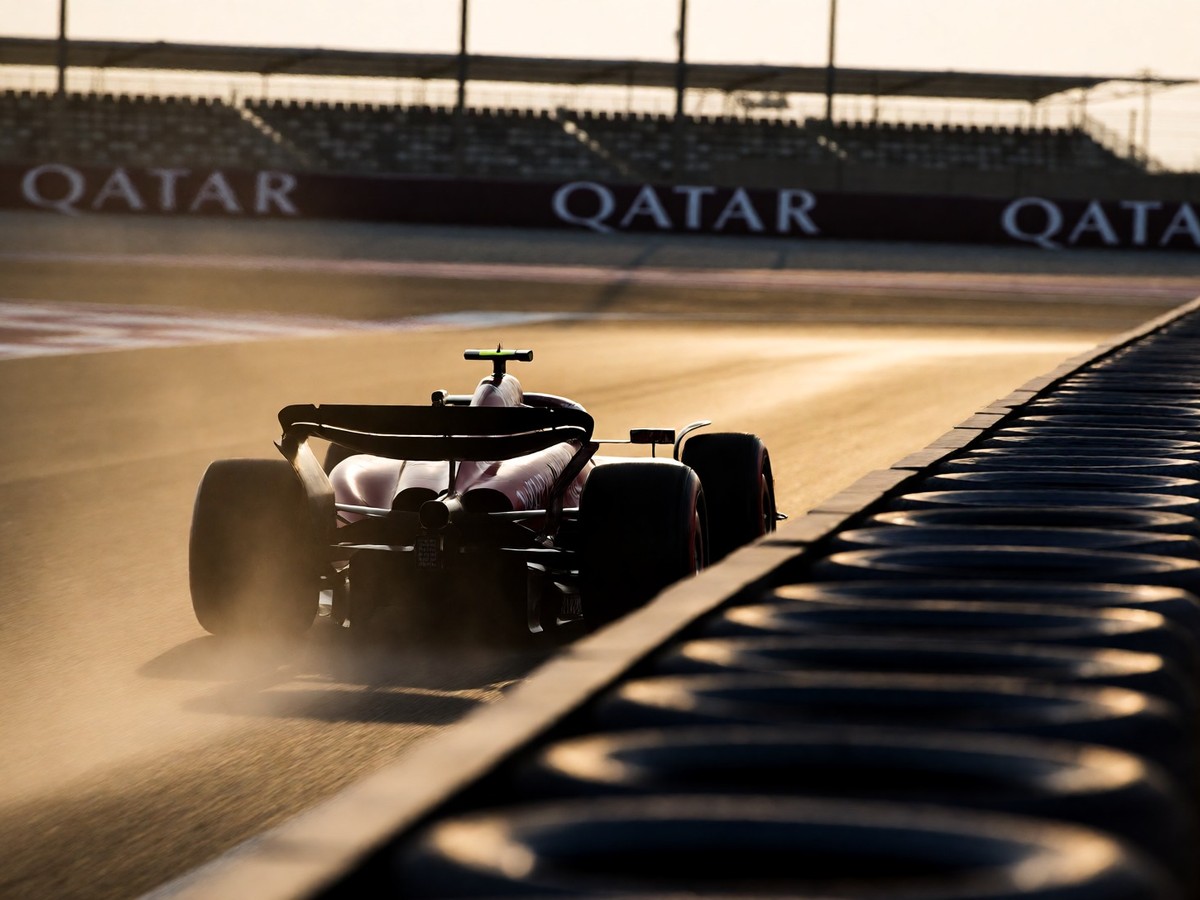
Formula 1 has formally informed the Imola circuit in Italy that its services will not be required as a backup venue for the end-of-season races. The sport is pressing ahead with plans to hold the two events in Qatar on 27-29 November and Abu Dhabi in the United Arab Emirates on 4-6 December, despite the ongoing conflict between the United States/Israel and Iran. Imola had been asked to prepare for a potential grand prix on the Abu Dhabi dates if the two Middle Eastern races could not go ahead, but officials told the Italian track to stand down preparations on Tuesday. This decision locks in the current schedule, meaning that if dramatic late developments occur before teams travel in late November, the season will simply end two weeks and two races early in Las Vegas.
A risky default option
F1 says the decision to press ahead with Qatar and Abu Dhabi, which was always the default option, has been taken because the situation in the two countries has not "negatively developed" in recent months. Travel advice from governments still allows travel, insurance is valid, events are taking place and business has returned to a normal level in both countries, it said, adding that the teams are all supportive of concluding the season as planned. A MotoGP race was held in Qatar last weekend at Lusail International Circuit without notable incident, although Japanese constructor Yamaha withdrew in advance and many television broadcasters opted not to send their staff to the region. Despite this reassurance, a number of senior figures in F1 have expressed disquiet about visiting areas close to the Strait of Hormuz where missile strikes are still taking place, and Saudi Arabia continues to be the target of attacks from Houthi rebels in Yemen. Several events in Saudi Arabia, which borders Qatar and the United Arab Emirates, have been cancelled or postponed in recent weeks following those attacks, creating a clear security shadow over the upcoming weekends.
Financial stakes and safety priorities
The political situation remains uncertain, with US president Donald Trump suggesting he would not escalate his military campaign in the region, though he has made similar comments since beginning his war in February only to subsequently launch further strikes. The US retains a significant military presence in the area and moved more troops there last month, while the World Endurance Championship called off its planned rounds in Qatar and Bahrain, replacing them with races in Italy and Spain. However, there is recognition that F1 faces a difficult financial decision because the two countries pay large fees for their events and are heavily ingrained in the fabric of the sports as sponsors and investors. The Qatari sovereign investment fund is a part owner of the Audi team, and Abu Dhabi holds the same position for McLaren, making any cancellation economically painful for the grid. FIA president Mohammed Ben Sulayem posted on social media that the organization is "fully prepared and committed" to delivering two outstanding Grands Prix weekends and a spectacular conclusion to the championship. An F1 spokesperson warned that if the situation develops negatively in the coming weeks, they will not hesitate to do the right thing, emphasizing that the safety of everyone will always be the priority. Kimi Antonelli sealed the drivers’ title in Mexico City before his Mercedes team closed out the constructors’ title in Brazil, setting the stage for a purely ceremonial finale in the Middle East.