F1 drivers struggle with physical strain from COTA track bumps
Lando Norris and Max Verstappen report significant physical discomfort due to track bumps at the Circuit of the Americas. Verstappen noted experiencing vertical loads exceeding 9G on his spine, highlighting how modern ground effect cars exacerbate surface issues.

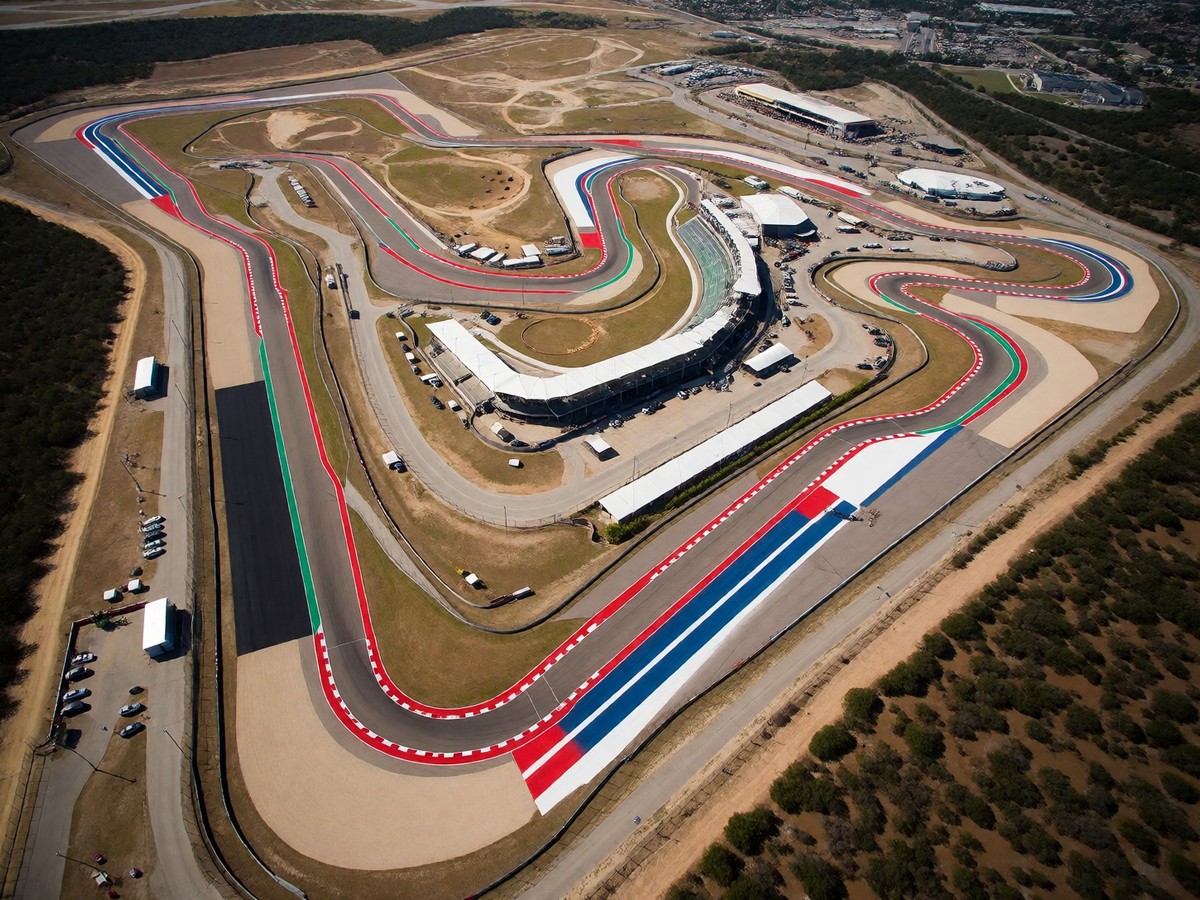
Drivers battle physical strain in Austin
Lando Norris says he takes headache tablets to deal with the physical forces at the Circuit of the Americas. He supports Max Verstappen, who described the track bumps as "unacceptable" during media day before the United States Grand Prix. Norris said the track is "pretty bad" because it is an old circuit. He explained that the FIA has specific rules and tolerances for building new tracks, but COTA does not meet those standards. The McLaren driver said he needs medication because the bumps cause him to hit his head against the headrests. He also said he agrees with Verstappen, noting that the Dutchman is "certainly right." He said that while the issue is brought up many, many times, there is only so much drivers can do regarding the complaints.
Verstappen detailed the physical consequences of the bumpy track after watching a recent WEC race in Austin, where he joked that he would need to order a new spine or become like Robocop. Verstappen explained that he experienced vertical loads of over 9G on his spine during the 2025 race, which he said is not fun and is something he thinks about more as he gets older. He noted that while drivers pull around 5-6G in a corner, these vertical impacts are much more severe. Following his 2023 Austin victory, he stated the bumps were "not F1 level." At that time, circuit chairman Bobby Epstein promised to fix the worst areas of the track.
Surface issues and technical factors
The COTA surface remains a long-running issue because the circuit was built in 2012 on former marshland near the Austin Bergstrom International Airport. Because the ground is constantly being forced up and down, the Texas climate also affects the surface. F1 drivers felt these bumps more during the ground effects era of 2022 to 2025 because the cars ran closer to the track surface to generate downforce. The track was resurfaced in 2024, and workers performed more work this year between Turn 9 and Turn 11 to remedy the worst parts. F1 has a contract to race at the venue until 2034 after a new deal was signed last year.
George Russell said the bumps are "part of racing," but he argued that F1 tracks should be repaved every couple of years to keep the surface consistent. He said that the cars run just 10mm off the ground at the end of the straights. The smaller sidewalls of the 18-inch tyres mean drivers feel every bump on the circuit. Russell noted that F1 cars are not like Indy cars or F2 cars that run their ride heights reasonably high. He also said that some tracks are currently having issues where the tarmac falls apart, causing more problems than it solves.
The technical evolution of the cars has made the bumps harder to manage. Because F1 cars run with a ride height of only 10mm at the end of the straights, any tiny bump is felt by the driver. The use of 18-inch tyres with smaller sidewalls also means the cars cannot absorb the impacts as easily as they did in previous years.
| Race | Date |
|---|---|
| United States GP | 25 Oct 2026 |
| Mexico City GP | 01 Nov 2026 |
| Brazilian GP | 08 Nov 2026 |
| Las Vegas GP | 22 Nov 2026 |
| Qatar GP | 29 Nov 2026 |
| Abu Dhabi GP | 06 Dec 2026 |