David Croft communicates with Pierre Gasly via Alpine radio
Sky commentator David Croft used a direct radio link to give Pierre Gasly practice start instructions during the United States Grand Prix. Alpine engineer Rob Gulliver described the interruption of the driver-engineer channel as a breach of the team's most sacred communication.

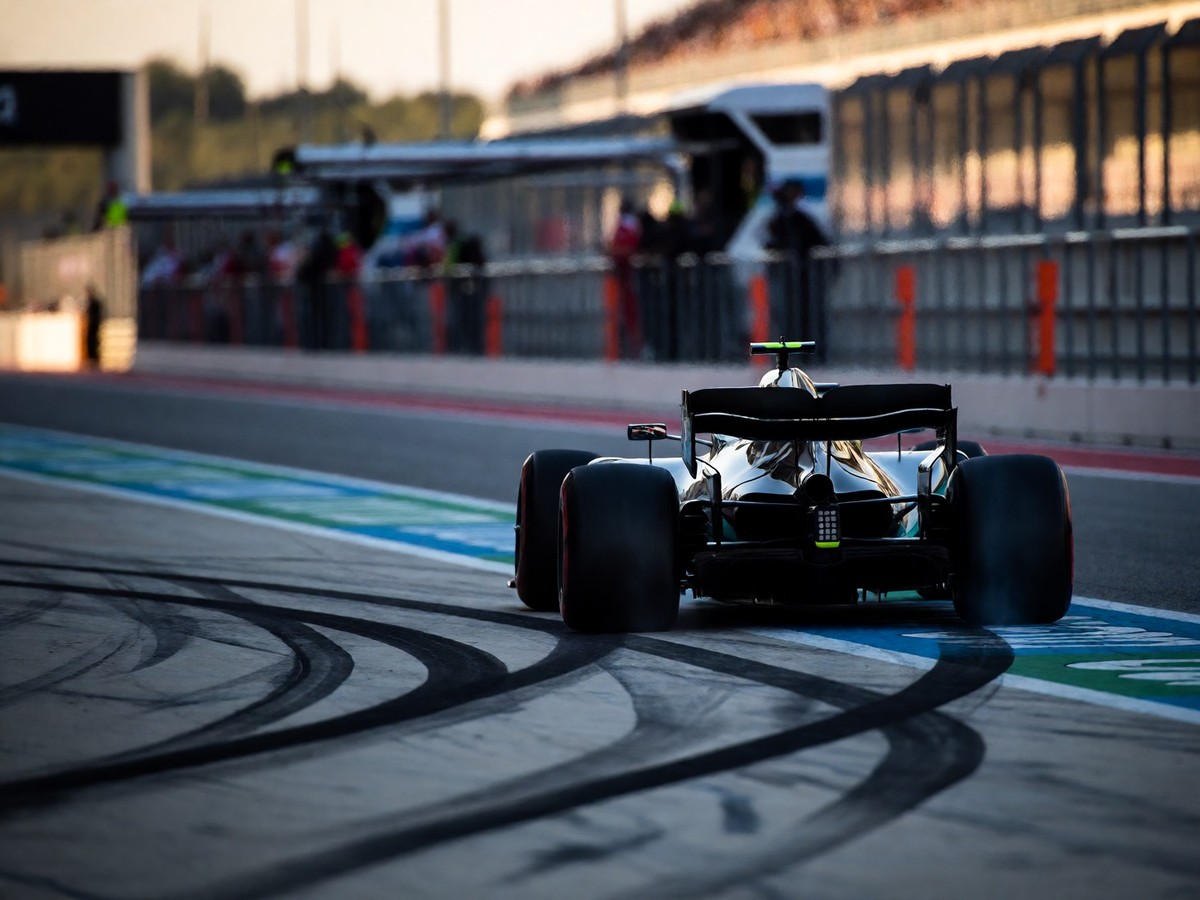
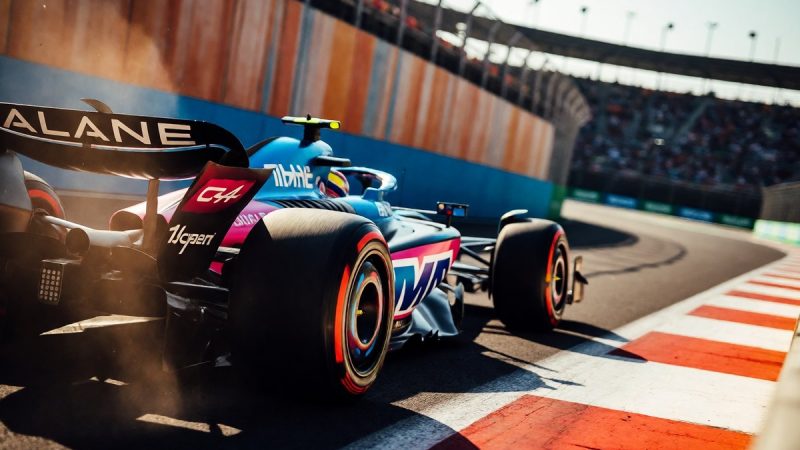
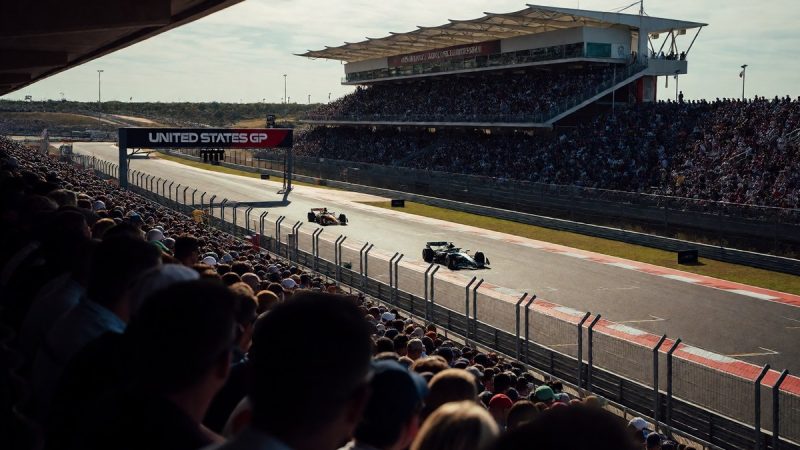
Sky commentator David Croft spoke directly to Pierre Gasly through the Alpine driver radio during the post-flag practice session at the United States Grand Prix in Austin. This interrupted the driver-engineer radio, which Alpine IT race communications engineer Rob Gulliver describes as the most sacred communication within the team. Gulliver says this channel is the most important, controlled, and policed connection available. The two-minute exchange occurred after FP1 finished as drivers received instructions for practice starts. Croft gave Gasly specific instructions: "Right, you’re coming up to the grid in a few moments. I want you to do one burnout, please, and you’re going to start on the right-hand side. And when you’re stationary, Strat 7 for your practice start. Did you get that? One burnout, start on the right, Strat 7." Gasly replied: "You’ve done your homework, I see. So good job." I think the decision to allow an external commentator to bypass team protocols during a live session is a reckless breach of the driver’s focus, even if the risk seemed low to the engineers. This kind of interference was famously avoided in 1993 when Murray Walker told Damon Hill he earned pole position, only to correct himself moments later.
Technical logistics of the Austin experiment
Alpine racing director Dave Greenwood coordinated the project between Sky’s production team in London and the engineering staff at the track. To facilitate the live, two-way communication, Gulliver worked with Sky technical personnel from Thursday afternoon until one hour before FP1 to test the routing. The specific instruction path moved from the Alpine engineers in Enstone to the race engineer, then to Greenwood on the pitwall, then to Sky in the UK, and finally to Croft’s headset. The audio signal traveled from the internet provider to a Dante box, which then connected to the Alpine infrastructure. Croft used a physical button to prevent accidental contact with the driver. Gulliver looked back at old logic from 2020 when teams used one-directional driver of the day comms, but Sky required bi-directional audio. This complex routing allowed the exchange to occur without interfering with the FIA engine mode tests that the team had to manage at the end of the session.
| Radio Instruction | Detail |
|---|---|
| Procedure | One burnout |
| Starting Position | Right-hand side |
| Engine Parameter | Strat 7 |
Why Gasly will not talk to Sky during a race
Gasly noted that having Croft in his ear added extra workload, though he felt the experiment was a cool first for F1. He will not do this during a race because drivers must manage complex switches, battery settings, and different engine modes on the dashboard. Croft also noted that doing this during a safety car period would be difficult because the radio traffic is heavy and drivers need to express natural emotion. While Sky and Alpine reprised the technology with Martin Brundle performing a grid walk with Gasly, the team has no appetite for more frequent interventions. I find the idea of expanding this to formation laps or safety car periods to be a distraction that ignores the intense technical demands placed on a modern driver. Croft compared the experience to mission control talking to astronauts in space, but the reality of modern racing is far more crowded. The team’s refusal to do this during the race shows how much the workload has increased compared to earlier eras of the sport. While British Touring Cars regularly feature driver comms during formation laps, Gasly refused to participate in such things during the race.