Common mistakes with Alpine’s 2026 Renault engine reliability data
Alpine transitions to Mercedes customer engines for 2026 following Renault's decision to exit F1 engine manufacturing. Reliability issues with the current power unit have cost Fernando Alonso 66 points during the recent season.

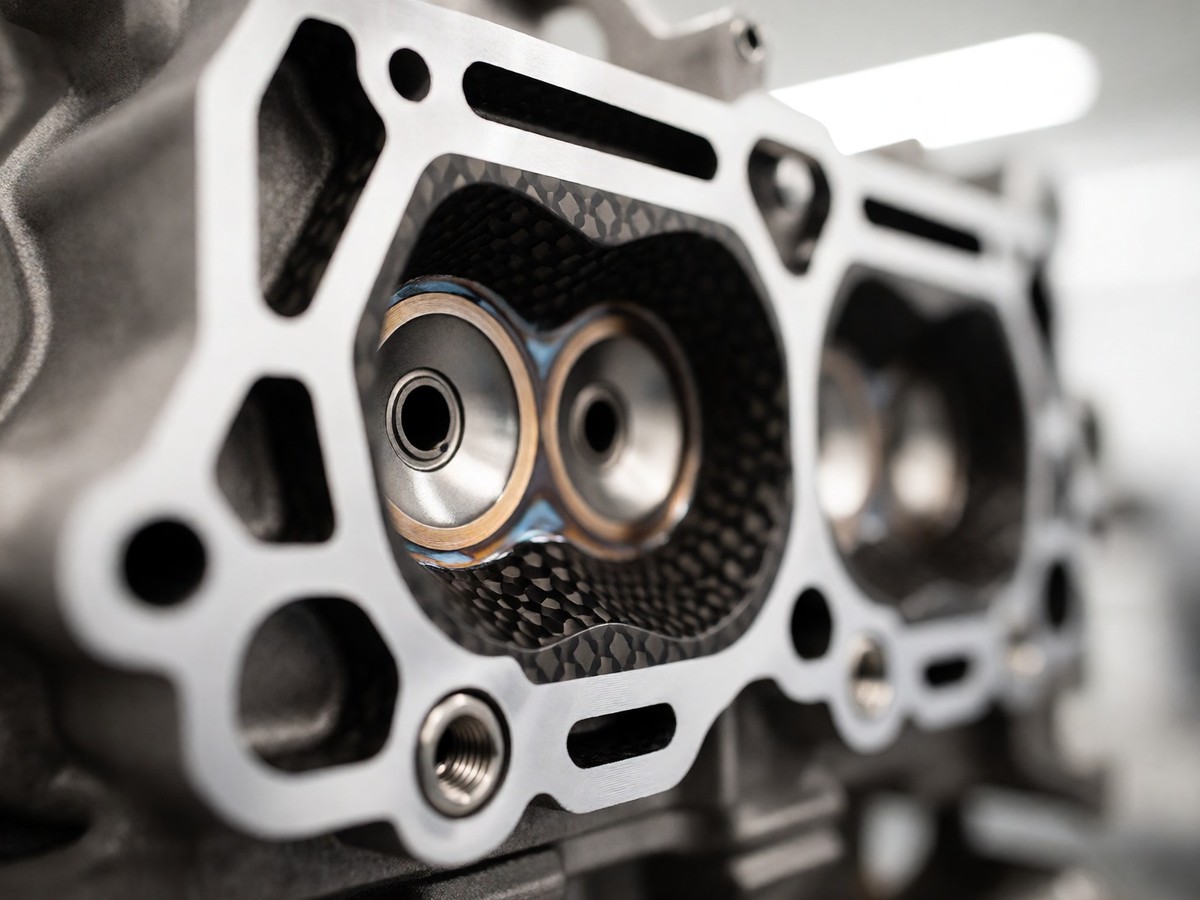
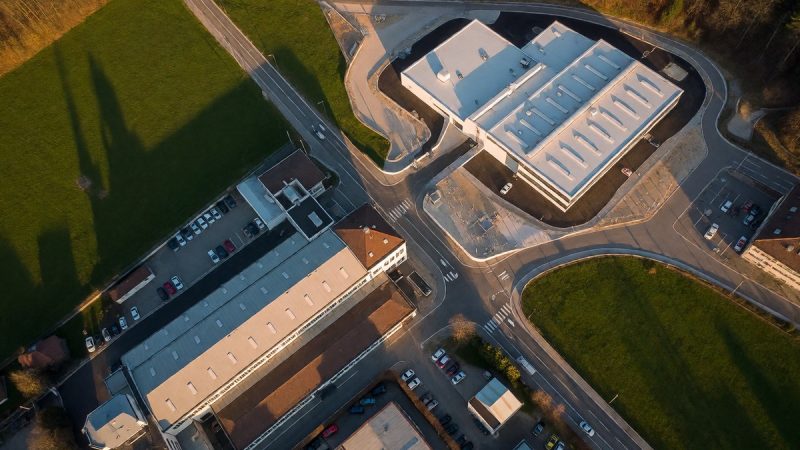
Renault will stop producing Formula 1 engines from 2026, which ends nearly fifty years of presence in the sport. Alpine, the team owned by the Renault Group, will transition to using Mercedes customer engines from the 2026 season. This decision follows statements from former team principal Bruno Famin, who left his role over the summer break. Oliver Oakes took over the role from Zandvoort. Famin previously managed the engine project at Viry, but the power unit struggled to match rivals. Renault entered the sport in 1977 and won twelve world championship titles. The engine factory at Viry-Chatillon will now become an engineering center for future Renault and Alpine cars.
The financial logic for this engine change relies on the new 2026 regulations and the existing cost cap. The FIA set a cost cap of $130 million for power unit manufacturers. Famin argued that being a customer team, like McLaren or Aston Martin, makes more financial sense than being a manufacturer like Mercedes or Ferrari. He noted that the prize fund system benefits teams rather than manufacturers. The costs for developing a power unit are much higher than buying one. Famin explained that a manufacturer might see €120 million in costs while having only €17 million in hand each year. This makes the business model difficult for manufacturers.
The FIA banned a Mercedes thermal expansion trick between the Canadian and Spanish Grands Prix. Mercedes engineers used internal materials that expand significantly under intense heat. Mercedes engineers realized they could use specific internal materials designed to expand dramatically under intense heat, ensuring the engine stayed within the legal 16:1 compression ratio when cold but pushed the compression ratio to 1:18 when the power unit reached its hot operating temperature on the track. This loophole gave Mercedes up to 0.3 seconds per lap at power-heavy circuits. Now, the FIA tests engines at their 130°C operating temperature to prevent this. Alpine, McLaren, and Williams use this engine architecture, so they all lose this speed advantage.
| Metric | Specification/Value |
|---|---|
| 2026 Cost Cap | $130 million |
| Mercedes Cold Compression | 16.0:1 |
| Mercedes Hot Compression | 1:18 |
| MGU-K Power Output | 350kW |
| Energy Recharge Limit | 7 megajoules |
| Mercedes ADUO Tier | 1 upgrade |
| Ferrari/Audi/Honda ADUO Tier | 2 upgrades |
The FIA uses the Additional Development and Upgrade Opportunities system to manage the performance of power unit manufacturers. This system evaluates the non-electrical half of the power unit using a performance index. The index considers input shaft torque, engine speed, MGU-K power, and lap time sensitivity. Red Bull is the benchmark manufacturer. Mercedes is more than 2% behind Red Bull. Ferrari, Audi, and Honda are more than 4% behind Red Bull. Manufacturers trailing by 2% to 4% receive one upgrade opportunity this season. Those trailing by 4% to 6% receive two upgrades. The system also provides financial relief through the cost cap. Manufacturers trailing by 2% to 4% get up to $3 million. Those trailing by 4% to 6% get $4.65 million. Those trailing by 6% to 8% get $6.35 million. Those trailing by 8% to 10% get $8 million. Manufacturers with a deficit of 10% or more get $11 million.
Reliability issues with the Alpine engine have cost Fernando Alonso significant points this year. He lost 66 points because of these failures. In Mexico, his power unit expired in turn one with only six laps remaining. He also lost a cylinder with 20 laps left in that same race, which reduced his power by 20 percent. He was 20 seconds ahead of the McLarens and his teammate before the failure. In Jeddah, a water pump failure made the internal combustion engine unsalvageable. He had to use a new engine in Jeddah. He also had to examine the engine from Bahrain as a precaution. I find the constant engine failures in car 14 to be an embarrassment to Alpine’s engineering reputation.
The 2026 power units change the balance between combustion and electrical power. The new regulations demand a 50-50 split between the two. The 1.6-litre turbocharged V6 remains, but the MGU-H is gone. The MGU-K is now three times more powerful, delivering 350kW to the rear wheels. This is an increase from the 120kW used previously. All teams use Advanced Sustainable Fuels this year to help reach net zero by 2030. Drivers can use a Boost Button to change power settings. They also use an Overtake mode to replace the Drag Reduction System. This mode allows a driver to recharge an extra 0.5MJ and generate a higher electrical power profile. You already know the basics of the 2026 regulations, but these power shifts change everything.
The FIA introduced mid-season regulation changes at Miami to address energy management and race starts. Drivers spent too much time lifting and coasting to recharge batteries, so the FIA cut the maximum energy recharge from 8 megajoules to 7 megajoules. Peak super clipping power increased from 250 kilowatts to 350 kilowatts. This allows cars to recharge faster when they harvest energy. Boost mode is now capped at an additional 150 kilowatts. Energy deployment through the MGU-K stays at 350 kilowatts in acceleration zones, but it drops to 250 kilowatts elsewhere. A low power detection system also helps with slow race starts.
Alpine’s position in the championship reflects its recent struggles. In the 2024 season, the team sat P9 in the constructors’ standings. The 2026 driver standings show Pierre Gasly in 10th with 41 points and Franco Colapinto in 12th with 27 points. Kimi Antonelli leads the championship with 302 points. The team faces a massive transition as it moves away from the Viry engine project. Can Alpine successfully transition to Mercedes power without losing its competitive edge?