The economics of Williams’s 2026 Mercedes engine deal
Mercedes-Benz will supply Williams Racing with power units from 2026 through 2030. This agreement arrives as the 2026 chassis cost cap rises to $215 million and the power unit development cap increases to $190 million.

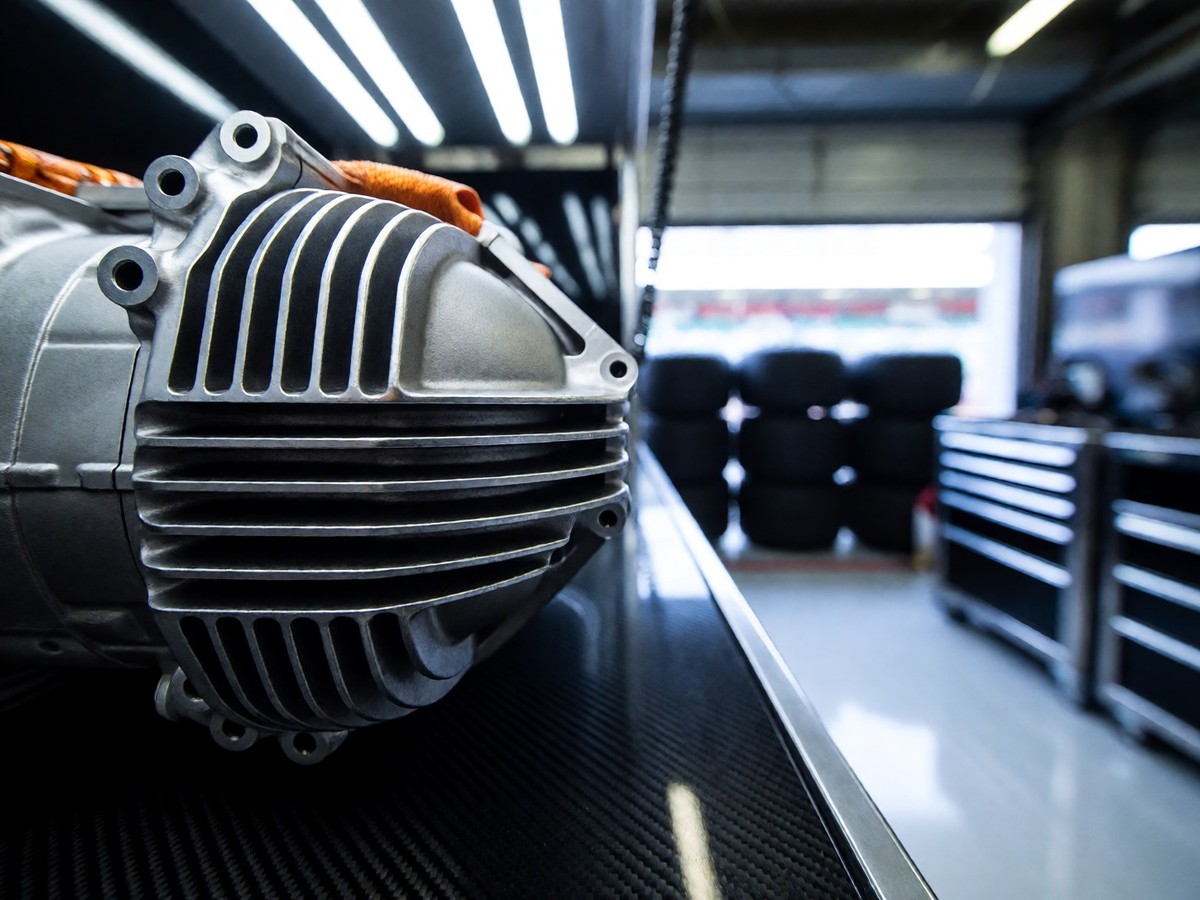
The Mercedes-Williams partnership extension
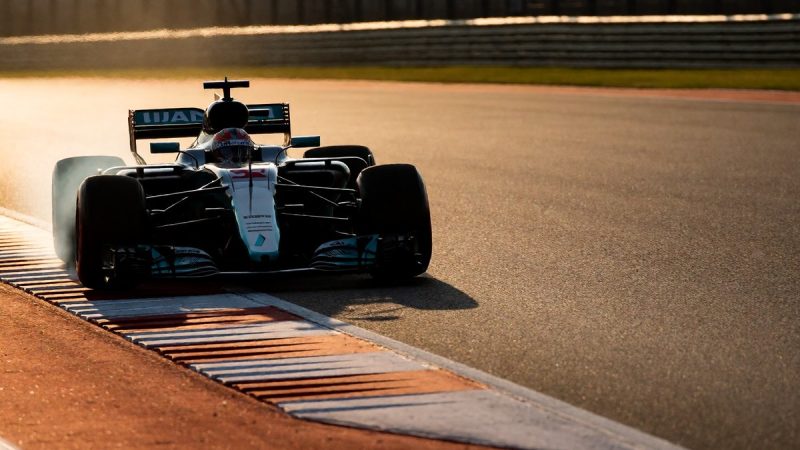
Mercedes-Benz will provide Williams Racing with power units starting in 2026 and continuing through 2030. This multi-year agreement extends a relationship that began in 2014. James Vowles, the Williams Team Principal, says the expertise and technology from Mercedes match the team’s medium and long-term aspirations. Williams will maintain its design and manufacturing capabilities in-house. Toto Wolff, the Head of Mercedes-Benz Motorsport, says the agreement validates the Mercedes motorsport strategy. Mercedes will also supply McLaren and Alpine with power units for the new regulations. This makes Williams the second customer team to secure a Mercedes supply for the 2026 power unit regulations. The agreement follows the decision by Aston Martin to switch to Honda for 2026. Williams has achieved 18 podiums since the Mercedes partnership began.
The 2026 power unit specifications
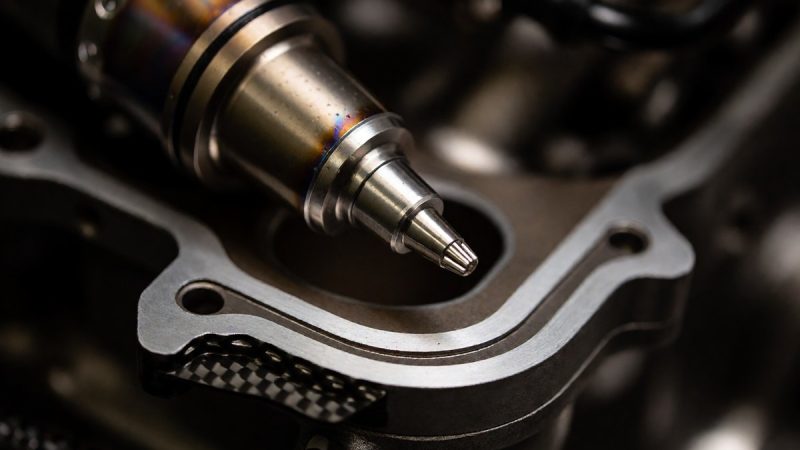
The 2026 technical regulations change the power unit architecture. Power will come from a 50% internal combustion and 50% electrical split. All future engines will use 100% advanced sustainable fuel. The MGU-H will be removed from the design entirely. The MGU-K will grow in size to store much more energy. Its power output will increase from 120 kW to 350 kW. This is a 56 percent increase in available power for the MGU-K. The electrical systems will also receive upgrades for higher performance.
| Component | 2025 Specification | 2026 Specification |
|---|---|---|
| Power Split | Not specified | 50% ICE / 50% Electrical |
| Fuel Type | Standard fuel | 100% Advanced sustainable fuel |
| MGU-K Output | 120 kW | 350 kW |
| MGU-H | Present | Removed |
| Max Compression Ratio | 18:1 | 16:1 (cold) |
The chassis cost cap evolution
The chassis cost cap regulates annual spending on car performance. This limit ensures long-term financial stability and competitive racing. The cap was \$145 million in 2021. It decreased to \$140 million in 2022 and \$135 million in 2023. The limit stayed at \$135 million through 2025. For 2026, the cap rises to \$215 million. The 2026 chassis cost cap rises to \$215 million because the FIA removed the separate \$36 million capital expenditure cap and now includes annual depreciation costs within the primary spending limit. Driver salaries and the salaries of the three highest-paid staff members sit outside the cap. Marketing, travel, and hospitality costs are also excluded. Health and safety costs and catering costs at factories are also excluded. Teams can roll-forward up to \$2 million of unspent cap to the following year.
Power unit development limits
The power unit cost cap manages development spending. The cap was \$95 million plus inflation for the years 2023, 2024, and 2025. For 2026, the cap increases to \$190 million. New manufacturers receive \$148.5 million for the three years before they enter the sport. The FIA introduced this cap in 2023 to control development of new power units. It aims to prevent an arms race between manufacturers. There are also reliefs for manufacturers to spend outside the power unit cost cap to make changes for reliability reasons if they meet certain thresholds.
| Period | Power Unit Cap |
|---|---|
| 2023-2025 | \$95 million + inflation |
| 2026 | \$190 million |
| New Manufacturer (3 years pre-entry) | \$148.5 million |
The compression ratio controversy
Mercedes and Red Bull Powertrains are developing a compression ratio solution. The FIA limits the maximum compression ratio to 16.0 to improve efficiency. Mercedes engineers found a method to increase the ratio via thermal expansion when the engine is at operating temperature. The FIA verifies the compression ratio while the engine is cold at ambient temperature. This allows the ratio to reach levels near 18:1 during a race. Ferrari has lodged complaints with the FIA regarding this loophole. Mercedes communicated this concept to the FIA early to ensure compliance. Red Bull is also working on a similar approach, but it is lagging behind Mercedes.
Williams performance and drivers
Williams sits in eighth place in the Constructors’ Championship. The team has only 11 points. The FW48 chassis was overweight and arrived late. James Vowles says the team cannot fix twenty years of underinvestment in 12 months. He says the car is not the performance specification they wanted. The team expects the impact of winter development issues to last throughout 2026. Carlos Sainz and Alex Albon both signed contracts to stay with Williams through 2027. Vowles told the media that he used transparency to win their trust. The Mercedes engine deal is the only logical choice for a team facing such significant technical deficits.
| Category | Leader | Points |
|---|---|---|
| Drivers | Kimi Antonelli | 302 |
| Drivers | George Russell | 236 |
| Drivers | Lewis Hamilton | 199 |
| Constructors | Mercedes-AMG | 538 |
| Constructors | Ferrari | 378 |
| Constructors | McLaren | 306 |
F1 team valuations
F1 team valuations increased because the cost cap turned the sport into a business competition. The average team is worth \$3.42 billion. This value rose 48% in one year. In 2025, the ten teams on the grid had a combined value of \$34.2 billion. Mercedes was valued at \$6 billion in November 2025. Toto Wolff bought a stake in Mercedes in 2013 when the team was worth \$165 million. This is a 36-fold return on his investment. Mercedes ownership includes Mercedes-Benz at 33.3%, INEOS at 33.3%, Toto Wolff at roughly 28%, and George Kurtz at 5%. Aston Martin is valued at \$3 billion. Lawrence Stroll bought the team for under \$100 million in 2018. He spent \$200 million on a factory. McLaren is valued at \$4.73 billion. This is a 203% increase from 2023. Cadillac will join the grid in 2026. The team paid a \$450 million anti-dilution fee. This fee was split equally among the ten existing teams. Each team received \$45 million. Cadillac also committed \$1 billion to build its operation.
Mercedes customer strategy
Mercedes gains performance data from its customer teams. McLaren and Williams provide data that helps Mercedes develop its power units. This relationship helps Mercedes develop the new generation of power units. Mercedes also supplies Alpine with power units and gearboxes. Alpine will use Mercedes gearboxes in 2026 but will make its own gearboxes from 2027. Mercedes can use data from McLaren to see how they improve. This data gathering helps Mercedes maintain its competitive edge. Mercedes currently supplies McLaren, Alpine, and Williams.