Mercedes tests split W17 specifications at Singapore Grand Prix
Mercedes ran different car specifications for George Russell and Kimi Antonelli in Singapore to test the W17 upgrade. Kimi Antonelli finished third using the new specification, which provided more downforce than the previous package despite initial balance challenges.

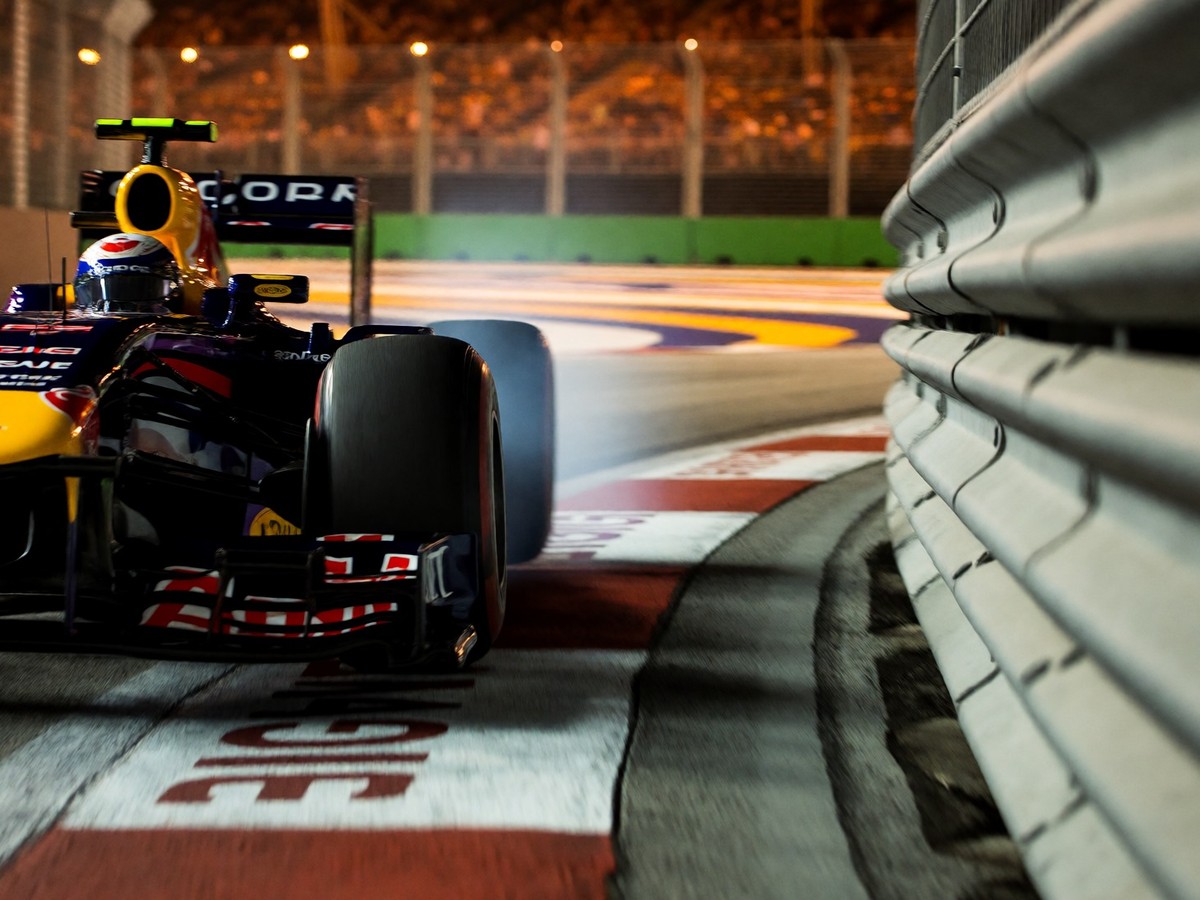
Split specifications at Singapore
Mercedes used the Singapore Grand Prix to test the W17 upgrade by running different car specifications for George Russell and Kimi Antonelli. The Brackley squad saw underwhelming results in Malaysia when the big car upgrade was introduced to both cars, and Max Verstappen took a dominant first F1 2026 win. Russell used the older package in Singapore after a late DNF in Malaysia triggered an engine change and penalty, while Antonelli ran the new specification and finished third. The team discovered that the upgraded W17 provides more downforce than the predecessor, although Simone Resta, the deputy technical director, said the delivery of that downforce is not a black and white problem. Antonelli faced an overbalanced and oversteery car during the wet sprint race on Friday, but he found a happier balance as the front tyres wore down. This allowed him to match the pace of the leaders and move closer to the world title. Bradley Lord, the deputy team principal, said that Antonelli’s ability to refocus showed that a higher peak performance resides within the upgraded W17. Antonelli expressed confidence after the race that the team had started to see the light at the end of the tunnel. While Russell was the quicker driver in the initial sprint sessions, Antonelli was faster in the main qualifying and the Grand Prix.
Technical challenges and setup shifts
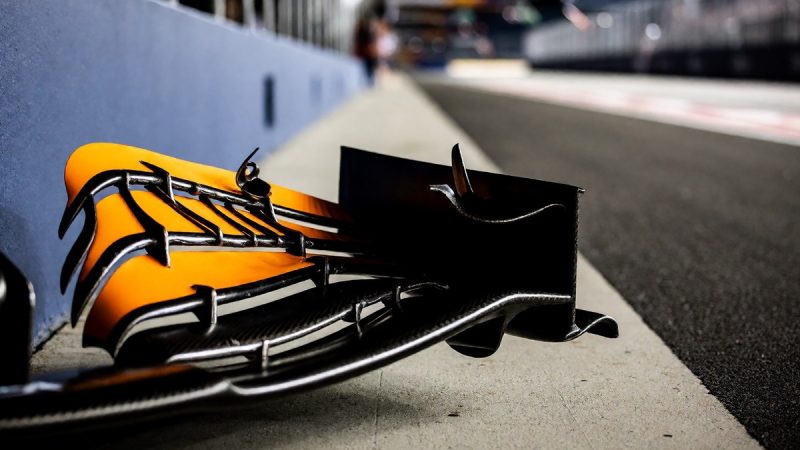
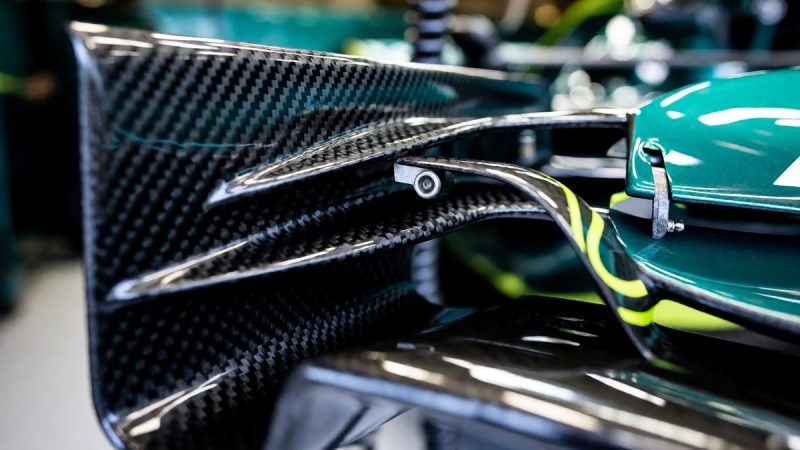
The team must adapt its setup philosophy because the upgraded car provides a stronger front end than the team expected. Resta said that the team measured more downforce, but they have not delivered the same level of downforce in every single operating point on the track. Because the car’s balance changes, the driver must adapt to it or the setup must change to extract the maximum performance. Resta noted that the team needs to re-centre the window they operate the car in, which is difficult during a sprint weekend with limited laps for experience. The difficulty is increased because Singapore operates on a different scale in terms of tyre hitting, sliding, grip, level of downforce required, and effort on the drag. Wolff said the team made the unusual move to run two different cars because they wanted to accelerate their learning curve. The team added a new front wing to Antonelli’s car at the start of the Singapore weekend, but they removed it after the single practice session. Wolff said the team expects to run the new specification on both cars at the United States Grand Prix in Austin, pending a decision by the engineering groups. This plan follows the underwhelming results in Malaysia, where Max Verstappen took a dominant win and Russell suffered a late DNF. The team is walking a narrower tightrope with the new car than with the version used all season.
Future plans and race results
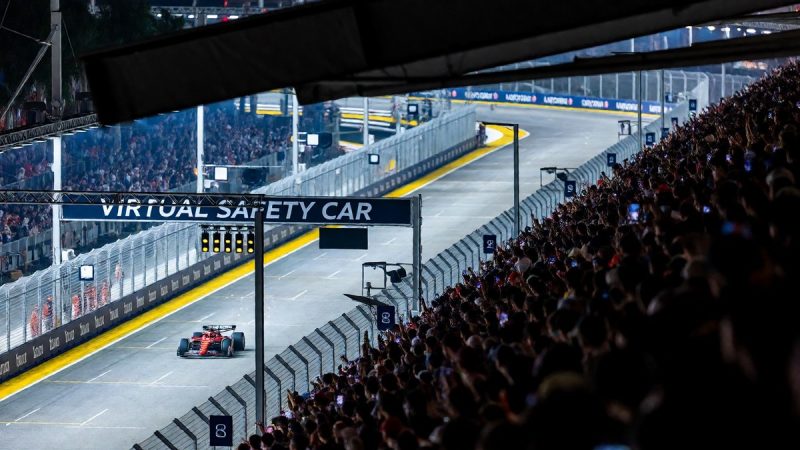
Mercedes plans to run the new specification on both cars at the United States Grand Prix in Austin, which takes place from October 23 to 25. Wolff said the team wants to see if they can consolidate the performance found in Singapore, as this is important for the development direction of next year’s car. The Singapore race also saw Lewis Hamilton finish sixth after he ignored a call from Ferrari to double stack behind Charles Leclerc under the virtual safety car. Hamilton chose to stay out on old soft tyres to attempt a one-stop strategy, but he could not remain competitive and was passed by Leclerc, Antonelli, and the two McLaren drivers, Lando Norris and Oscar Piastri. He told his team via radio that he took full responsibility for the decision, which he described as a painful lesson. His Instagram post said the result did not reflect the pace in the car and that he would return fighting at the next race. He noted that at a track that is difficult to overtake, he chose a strategy that ultimately did not deliver. Hamilton, who is 41, had previously achieved his best finishing position in his first season with Ferrari in 2025 when he took fourth place.