Alonso Praises AMR26 Wet Weather Pace After Brazilian GP
Fernando Alonso finished 12th at the Brazilian Grand Prix after front wing damage from Oliver Bearman. Despite the setback, he noted the AMR26 was competitive in wet conditions, losing only four tenths per lap to Mercedes drivers.

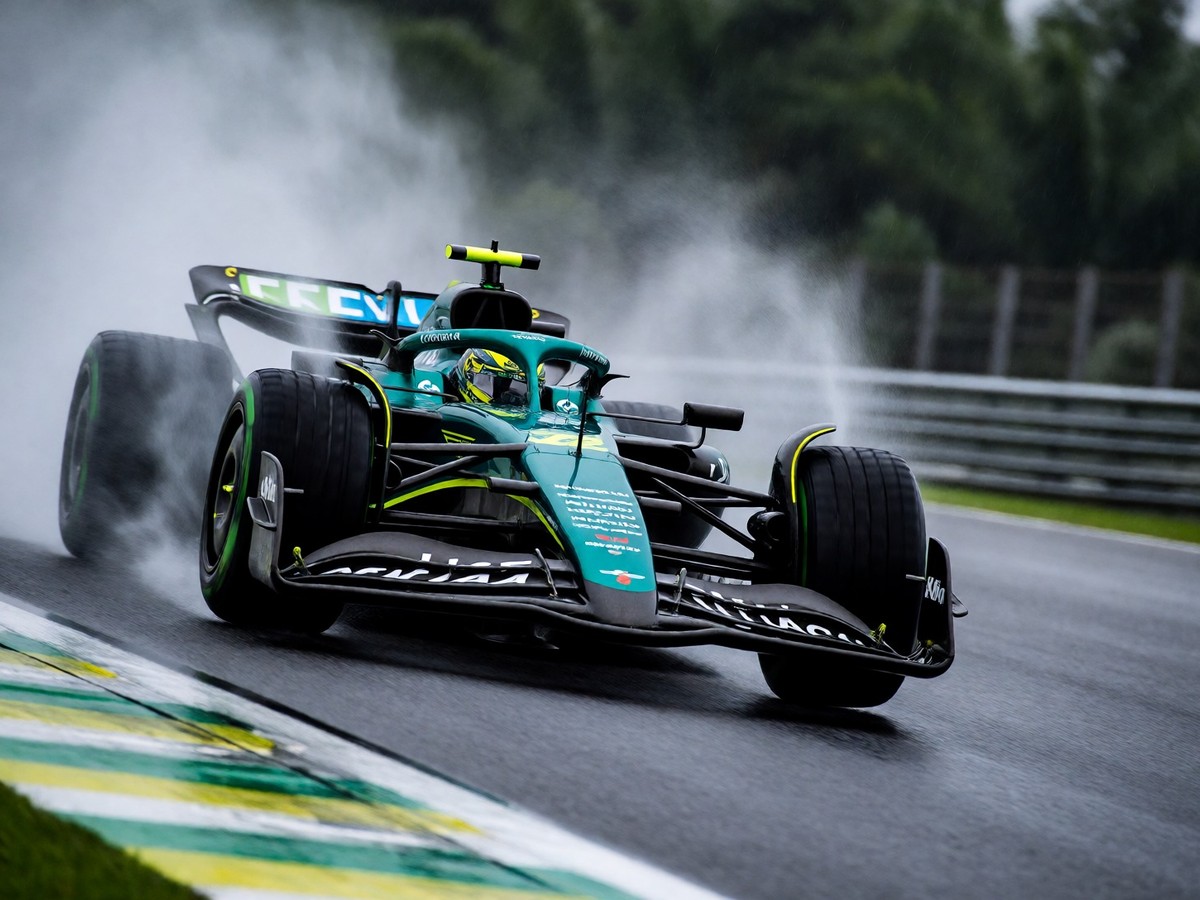
Fernando Alonso finished 12th at the Brazilian Grand Prix after picking up front wing damage from Oliver Bearman on the first lap. The incident compromised his strategy, yet he still managed a strong qualifying session that put him eighth on the grid. Despite the costly start, the team was encouraged by how the AMR26 performed during the wettest parts of the race. It looked like the most competitive version of the car all year.
Cornering speed defies straight-line deficit
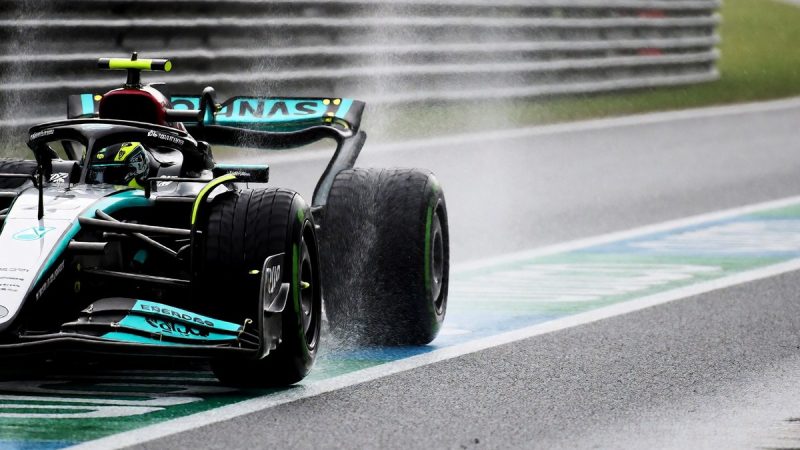
Alonso admitted the car lacked "straight line speed" on dry tarmac, which made it difficult to compete with faster rivals. He noted that they were "not in the same race as anyone else" when the track dried out completely. However, conditions changed dramatically later in the event when rain returned to Interlagos. The Spaniard was one of the first to pit for intermediate tyres, thanks to quick reactions from his engineers. Once the rain intensified, his pace became much closer to the leaders than it had been earlier.
The Mercedes drivers lapped him, but the time gap narrowed significantly compared to the dry sections. Alonso lost only around four tenths of a second per lap to George Russell and Andrea Kimi Antonelli in those final laps. His radio messages captured the shift in performance clearly. He stated, "Insane we can keep up the pace," after seeing the timing data. The team confirmed this improvement directly over the radio. They told him, "As yesterday, in these conditions you’re quicker than the Mercedes." This direct comparison validated his own assessment of the car’s capabilities.
Alonso described the overall package as "phenomenal" in the corners, despite the obvious power deficit. He explained that fighting Ferraris early on and Mercedes late in the race proved the chassis was working well. The lack of top-end speed remains a significant disadvantage, making cornering efficiency even more critical. Yet, the ability to match Mercedes pace in the wet suggests the underlying balance is sound. The driver found a better window in the race than in free practice, where the car felt less competitive.
Strategic lessons from a difficult weekend
The team struggled to find the right setup during practice sessions, leading to disappointment before the race began. Alonso acknowledged that free practice did not reflect the race performance accurately. He said, "There is nothing to learn about the car. We are in race 21 now, so we know exactly what we need to improve." This clarity helps focus development efforts for the remaining events. The Brazilian result serves as a benchmark for what is possible when conditions suit the car.
The points finish was missed due to the early contact and subsequent strategic limitations. Bearman’s moment caused the wing damage that altered the entire race trajectory. Without that incident, Alonso might have secured a higher position given his late-race pace. The data shows he was within striking distance of the top ten in the wet. The team will analyze the specific grip levels that allowed such close competition. This information is vital for tuning the AMR26 for future wet-weather races. The season continues with three races left, and every point counts.
| Driver | Team | Points |
|---|---|---|
| Kimi Antonelli | Mercedes | 390 |
| Max Verstappen | Red Bull Racing | 279 |
| George Russell | Mercedes | 262 |
| Lewis Hamilton | Ferrari | 261 |
| Fernando Alonso | Aston Martin | 7 |